Legacy Infrastructure
Aging databases, ERP, and apps make modernization costly and complex.

Combines infrastructure modernization, software-enabled management, and dedicated engineering to help enterprises modernize legacy systems, operate AI-ready infrastructure, and scale AI without extensive internal IT resources.
Aging infrastructure and limited IT resources constrain enterprise AI adoption. Modernization requires specialized engineering, significant investment, and ongoing operational support.
Aging databases, ERP, and apps make modernization costly and complex.

Lean IT teams lack resources to maintain systems while pursuing modernization and AI.

Current infrastructure lacks the compute, scale, and reliability for production AI.
Four integrated products supporting enterprise transformation, from process intelligence and infrastructure modernization to automation and production AI.
Assess and modernize legacy infrastructure, databases, and applications through software-assisted engineering, reducing technical complexity while minimizing operational disruption.
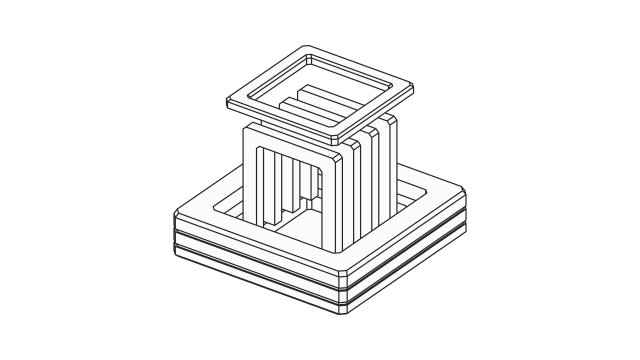
Deploy secure, scalable cloud, on-premises, and hybrid infrastructure to support business applications, evolving technology requirements, and enterprise AI adoption.
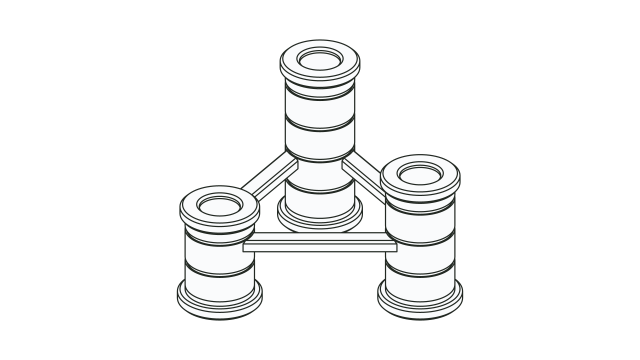
Combine infrastructure management software with dedicated engineering support to maintain reliability, optimize costs, and modernize enterprise IT without expanding internal teams.
These Palantir patterns add weight to the argument: keep data portable, interfaces open, deployment sovereign, and security operations tied to action.
01/
Bring models to governed enterprise context instead of trapping context inside a single model account.
Multimodal Data Plane
02/
Open standards, APIs, metadata, semantics, code, and security boundaries keep the enterprise in control.
Interoperability
03/
Connect detection, triage, remediation, rollout, and learning in one governed loop.
Security Forge
Norric's forward-deployed engineers work alongside enterprise leadership from day one, understanding management priorities, business objectives, and operational challenges to determine where AI can deliver the greatest impact.
Work directly with management and operational teams to understand business priorities, existing systems, and opportunities for improvement.
Identify the right ADX capabilities, establish implementation priorities, and develop a practical roadmap for transformation.
Work alongside enterprise teams to integrate systems, modernize infrastructure, and deploy AI into production.
Provide ongoing engineering, maintenance, and optimization to improve performance and deliver sustained business value.
Foundation establishes the technology infrastructure required to support enterprise operations and AI adoption. As requirements evolve, organizations can expand into other ADX products without replacing their existing systems.
Identify opportunities for AI and automation, redesign workflows, and establish quantified transformation plans.
Connect enterprise applications, databases, and legacy systems to integrate information and automate workflows.
Deploy and maintain AI analytics, enterprise applications, and autonomous agents across business operations.